
The hype cycle around self-driving cars has been so exhausting that I've developed a reflex—whenever someone mentions "autonomous vehicles," my eyes start rolling before they've even finished the phrase. We've all been burned too many times.
But here's the thing about Waymo: they're actually doing it.
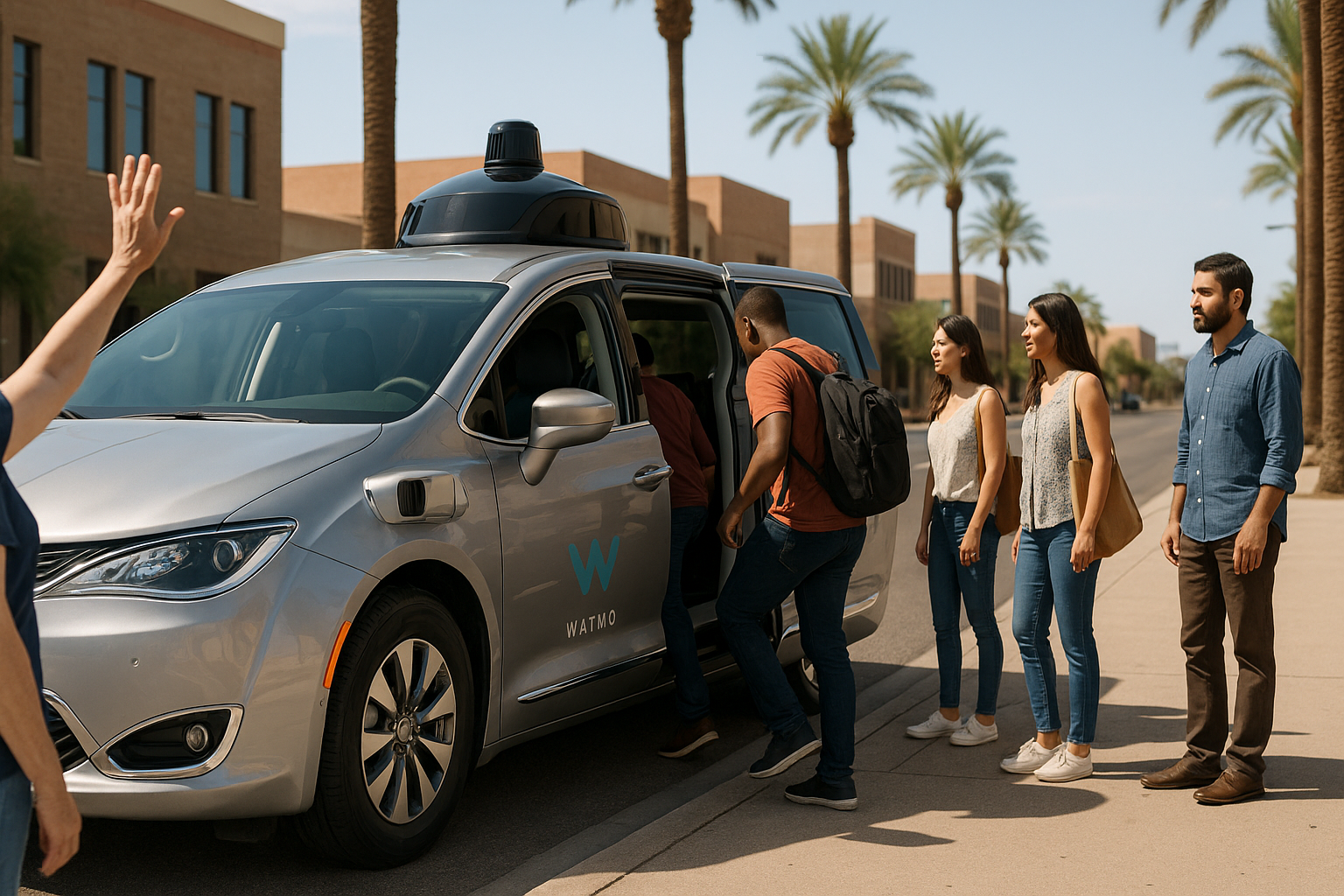
According to Tiger Global's investor letter (always an interesting read, by the way), Alphabet's robotaxi service is now handling 450,000 paid rides weekly. That's nearly double what they were doing just eight months ago. Let me say that again—doubled. In eight months.
I've been covering transportation tech since 2018, and this feels... different. This isn't another press conference with fancy renderings and "just around the corner" promises. It's cold, hard numbers representing actual humans paying actual money to be driven around by robots.
Remember Tesla's promise of a million robotaxis by 2020? Yeah. That didn't happen. Not even close. (For what it's worth, I once asked a Tesla executive about that timeline off the record, and the pained expression told me everything I needed to know.)
What's fascinating about Waymo's success is how quietly it happened. While everyone was arguing about whether Elon's latest Full Self-Driving beta was revolutionary or reckless, Waymo just... worked. They accumulated over 100 million fully autonomous miles, expanded to multiple cities, and built what increasingly looks like a real business.
The contrast in approaches couldn't be starker. Tesla bet everything on cameras and neural nets—a vision-first system learning incrementally from customer vehicles. Waymo went the opposite direction: expensive lidar, detailed mapping, and a much more conservative rollout.
I remember attending a transportation conference in 2019 where the consensus among the "smart money" was that Tesla's approach would win because it was more scalable. Huh. Funny how things turn out.
Look, none of this means Waymo has completely solved autonomous driving. Their service still operates in limited areas under favorable conditions. Phoenix is not exactly known for its challenging weather. But they've figured out how to create something viable within those constraints, and that's the difference between a cool tech demo and an actual business.
The growth numbers suggest something important is happening. From 250,000 weekly rides in April to 450,000 now—that's an 80% increase. Growth curves like that don't usually flatten immediately.
For Alphabet shareholders (disclosure: I own a small position), Waymo remains something of a financial black box. The company doesn't break out its performance, and the unit certainly burns considerable capital. But at some point, scale starts to matter.
Will Waymo become the AWS of mobility? Too early to tell. But they're collecting the two resources that matter most: miles and money.
Every successful trip represents a tiny data point suggesting our century-long relationship with personally owned vehicles might not be permanent. That's... kind of a big deal.
The tortoise and hare analogy is overdone, but sometimes it fits too perfectly to ignore. While others were tweeting about how fast they'll eventually go, Waymo just... kept moving forward.
Sometimes the future arrives without sending a press release. And sometimes, the reality finally catches up to the hype—just not in the way, or from the company, we expected.


