
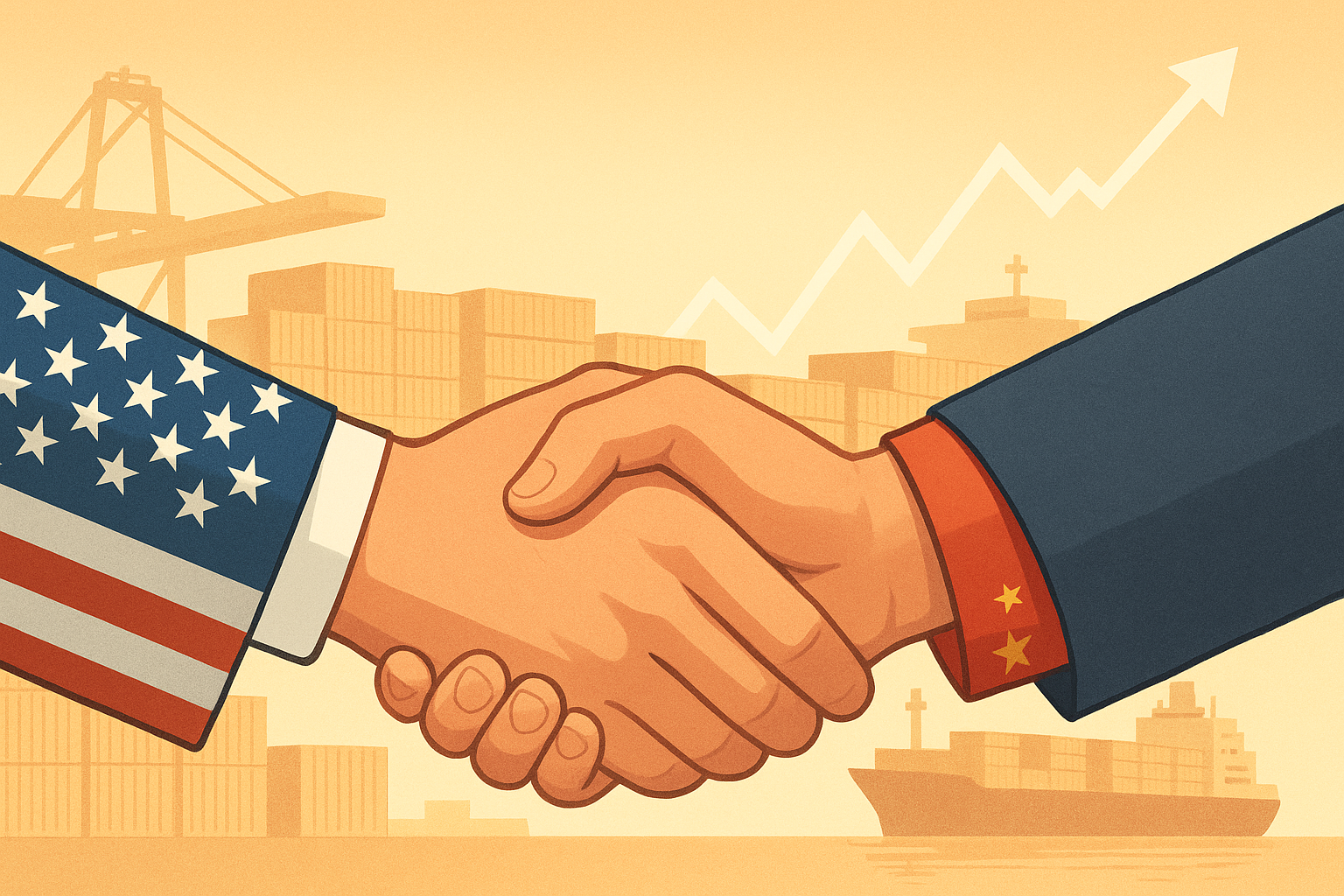
In what's being billed as a "historic" trade agreement, the United States and China have apparently decided that economic pragmatism should occasionally trump geopolitical posturing. The markets, predictably, are thrilled — nothing gets investors more excited than the prospect of the world's two largest economies deciding not to actively sabotage each other for a while.
Let's be clear about what's happening here: after years of tariff tennis and rare earth rhetoric, both sides are stepping back from the economic equivalent of mutually assured destruction. China has agreed to suspend export controls on critical minerals, ease up on fentanyl flows, buy American agricultural products with the enthusiasm of a doomsday prepper, and generally stop retaliating against U.S. investigations. The U.S., meanwhile, has promised to dial back certain tariffs and postpone enforcement of various trade actions until, conveniently, after the next presidential term is well underway.
A model I often use when thinking about these deals is what I call the "diplomatic pantomime" framework. Each side needs to appear tough to domestic audiences while simultaneously finding pragmatic compromises that prevent actual economic damage. It's theater with real economic consequences.
Consider China's commitment to purchase 12 million metric tons of U.S. soybeans by year's end and 25 million tons annually through 2028. That's a lot of tofu, folks. But what's particularly interesting is how these agricultural purchases serve multiple purposes: they address U.S. farm belt concerns (read: politically crucial constituencies), give China food security, and create the appearance of concrete "wins" that can be quantified in press releases.
The rare earths component might be the most fascinating element here. China controls roughly 85% of the global processing capacity for these critical minerals essential to everything from smartphones to electric vehicles to military applications. Their October 9th announcement of new export controls sent shudders through global supply chains. Now they're backing off — not out of charity, but because weaponizing rare earths is what game theorists would call a "use-once" strategy. Once deployed, it accelerates the already-happening diversification of supply chains away from China.
What about the fentanyl measures? Here we find the melancholy intersection of trade policy and public health crisis. The U.S. is essentially trading tariff reductions for promises of reduced chemical precursor flows. The fact that this transaction makes cold political sense doesn't make it any less depressing.
The market reaction to all this will likely follow a predictable pattern: initial euphoria, followed by closer reading, followed by sector-specific repricing as analysts figure out who actually benefits. Agricultural stocks, semiconductor manufacturers with Chinese exposure, and companies heavily dependent on rare earth imports should see immediate tailwinds.
But I'm particularly interested in what this agreement doesn't mention. Nothing substantive about intellectual property protections. Nothing about forced technology transfers. Nothing addressing the fundamental structural issues that led to tensions in the first place. This is a pause, not a resolution.
Look, trade agreements between major powers have always been as much about politics as economics. What's different now is the backdrop: we're in an era of active industrial policy on both sides, with each government picking winners and losers in strategic sectors. This deal doesn't end that competition — it just temporarily lowers the temperature while both countries reposition.
The regional agreements with Malaysia, Cambodia, Thailand, and Vietnam mentioned alongside the China deal underscore what's really happening: a careful hedging strategy as supply chains continue their gradual diversification across Southeast Asia.
For investors, the message is clear but nuanced: this creates near-term opportunities while leaving the long-term structural challenges intact. The economic equivalent of taking a painkiller while postponing surgery.
But hey, markets love painkillers, especially when they come with a "historic" label. Just don't be surprised when the effects wear off and we're facing the same fundamental issues in 2026.


