
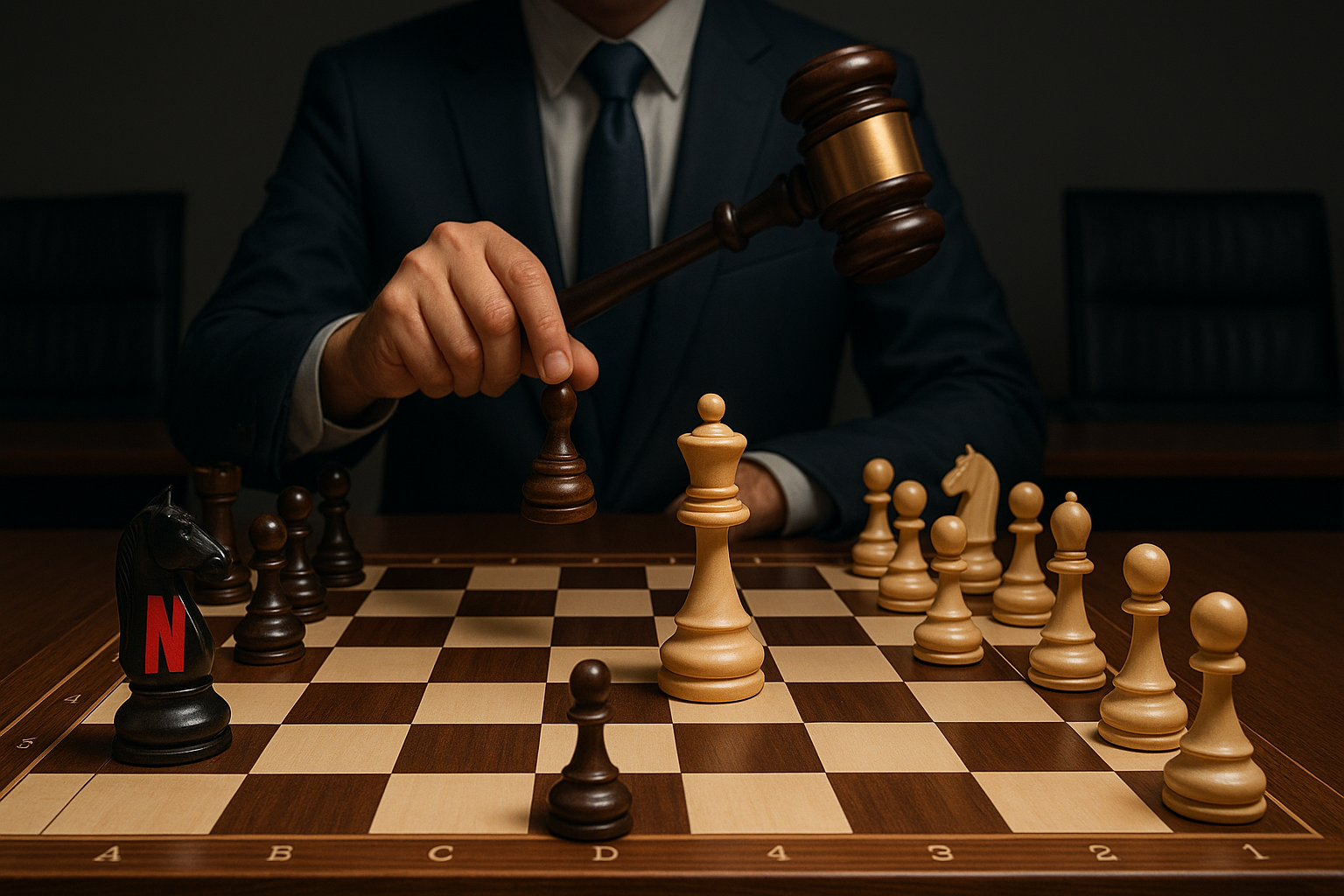
In the byzantine world of media mega-mergers, an unusual strategy might be taking shape at Warner Bros. Discovery—one that few analysts are discussing openly but that makes perfect sense if you've spent time in corporate boardrooms (I have, and the coffee is always terrible).
As Netflix reportedly circles WBD with acquisition interest, David Zaslav and his team could be eyeing what I'd call the executive's version of a magic trick: appearing to support a deal while secretly hoping regulators kill it.
Let's call it what it is: regulatory judo.
The concept is deceptively simple. Rather than openly rejecting Netflix's advances—which would invite shareholder lawsuits faster than you can say "fiduciary duty"—WBD's leadership could go through the motions of deal-making while quietly counting on antitrust regulators to do their dirty work for them.
"Companies can't explicitly hope for regulatory intervention," explained a mergers attorney I spoke with last week, who requested anonymity because, well, lawyers are careful that way. "But there's nothing preventing them from structuring deals in ways that maximize the likelihood of scrutiny."
The financial upside? Breakup fees, for starters. These consolation prizes typically range from 2-4% of transaction value—not small change for a debt-laden company like WBD. Imagine getting paid millions just because the government wouldn't let someone buy you!
But the benefits go deeper.
Simply being courted by Netflix creates what traders call a "bid wanted" situation. Nothing—and I mean nothing—attracts additional suitors like knowing someone else is already interested. It's human nature, but with billions at stake.
I've covered media consolidation since 2018, and this pattern repeats with remarkable consistency. Remember when Comcast's Time Warner Cable deal collapsed under regulatory pressure? Time Warner emerged stronger, quickly becoming an attractive target for Charter.
Look, I'm not suggesting Zaslav is actively sabotaging his own deal. That would cross legal lines. What I am suggesting is that WBD leadership might view regulatory intervention as their preferred outcome while maintaining plausible deniability.
The beauty of this approach lies in its asymmetry. Management knows their true intentions, while everyone else—shareholders, potential buyers, even regulators—operates with incomplete information.
"It's like poker," another media executive told me over drinks (sparkling water, it was lunchtime). "Sometimes your best move is making others think you want one outcome while quietly rooting for another."
There are risks, obviously.
What if regulators unexpectedly approve the deal? Then management would face a tough choice: complete a sale they potentially don't want or find another way to kill it—material adverse change clauses being the corporate equivalent of an ejector seat.
And the dance with Netflix might scare off more compatible partners. Though, frankly, in today's consolidated media landscape, those potential partners are increasingly scarce anyway.
When WBD executives make those frustratingly vague statements about "exploring strategic alternatives that maximize shareholder value"—corporate-speak that makes my eyes glaze over after years of hearing it—they're not just reciting boilerplate. They're preserving options while carefully signaling to multiple audiences simultaneously.
The fascinating part? WBD shareholders might be better off rooting for exactly what they fear most: regulatory blockage. A failed deal could deliver cash, increased visibility, and a higher floor for the stock price without surrendering independence.
In the end, this is about more than just Warner Bros. Discovery. It's about understanding that in highly regulated industries, apparent setbacks sometimes mask victories.
So next time you see headlines about regulatory concerns threatening a media merger, remember... that might be precisely the outcome some executives are quietly hoping for, even as they publicly express disappointment.
Sometimes in business, as in judo, the path to victory involves using your opponent's momentum rather than fighting against it. And for Warner Bros. Discovery, the most valuable transaction might be the one that almost happens.


