
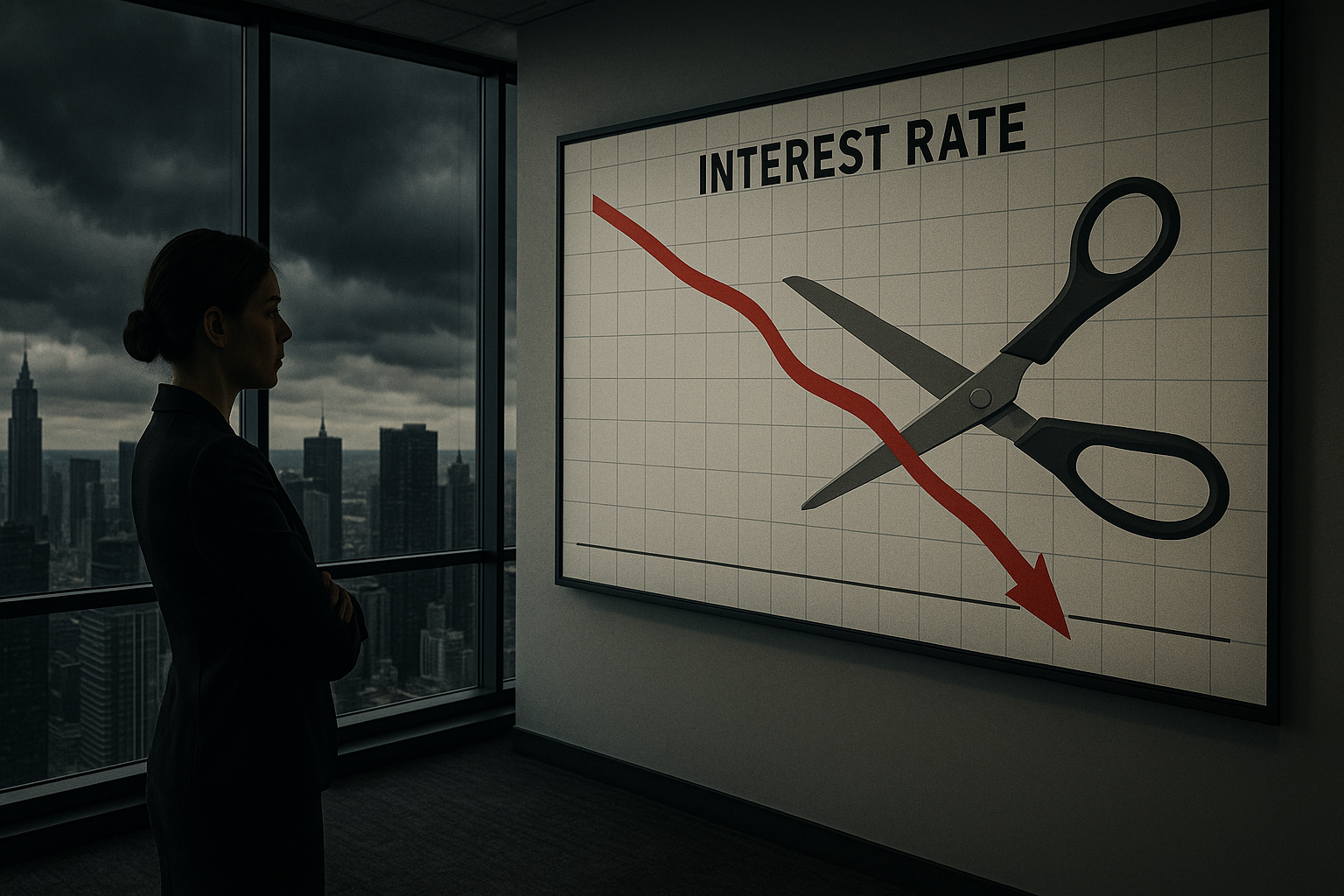
Scott Bessent—Biden's Treasury pick and soon-to-be economic quarterback in the Trump administration—just threw up a warning flare about the economy. He's worried we might sail straight into recession territory unless the Fed keeps chopping away at interest rates.
I've been tracking Bessent's economic positions since his nomination, and this isn't exactly a shocker. The guy has consistently positioned himself as someone who'd rather risk a bit of inflation than watch the economy tank. It's his whole brand.
What makes this interesting isn't the message but the timing. Markets have been doing a complete rethink of Fed policy expectations since Trump clinched his return ticket to the White House. Yields jumped. Inflation expectations shifted. The whole monetary policy landscape looks different than it did two weeks ago.
There's a fascinating tension at play here. The Fed finally—FINALLY—started cutting rates in September after keeping them sky-high for what felt like forever. Markets initially got excited, pricing in a whole cascade of cuts. Then the economy kept spitting out surprisingly decent numbers (rude of it, really), and suddenly everyone remembered that "higher-for-longer" slogan they'd been chanting.
Look, monetary policy is like steering a massive ship with a tiny rudder. Turn too hard too fast, and you might overcorrect. Turn too little too late... well, you might hit the iceberg. Bessent clearly thinks we're drifting toward the iceberg.
What I find particularly telling about his comments is how they clash with post-election market sentiment. Trump's promised tariffs and tax cuts have investors betting on higher inflation, not recession. Somebody's reading the economic tea leaves wrong here.
The actual economy remains stubbornly difficult to categorize. Job market? Pretty good, but cooling. Manufacturing? Meh, mixed bag. Housing? Still struggling under the weight of mortgage rates that refuse to come down to earth. Consumer spending? Somehow still chugging along despite everyone complaining about prices at every opportunity.
(I spoke with three economists last week who gave me three completely different recession probabilities. So much for expert consensus.)
Bessent's warning might also foreshadow the complicated relationship between Treasury and the Fed during Trump's second term. The President-elect has never been shy about telling Jerome Powell how to do his job. Having a Treasury Secretary who's publicly advocating for more cuts could turn up the heat on the Fed chair considerably.
Of course, there's a more cynical reading possible here. Bessent might just be getting his recession warnings on record early. It's Economic Leadership 101—if things go south, he was the prescient voice of reason; if they don't, nobody remembers anyway.
The bigger question—one that keeps me up at night after covering monetary policy for years—is whether the Fed can actually thread this needle. Their track record of achieving soft landings isn't exactly stellar.
In the end, we're all just waiting to see if Bessent's recession anxieties are prophetic or just another false alarm in the endless cycle of economic doom-saying. The markets will continue their manic-depressive routine, alternating between irrational exuberance and apocalyptic terror, sometimes within the same trading day.
And interest rates? They'll do whatever they damn well please, regardless of what any of us think they should do.


