
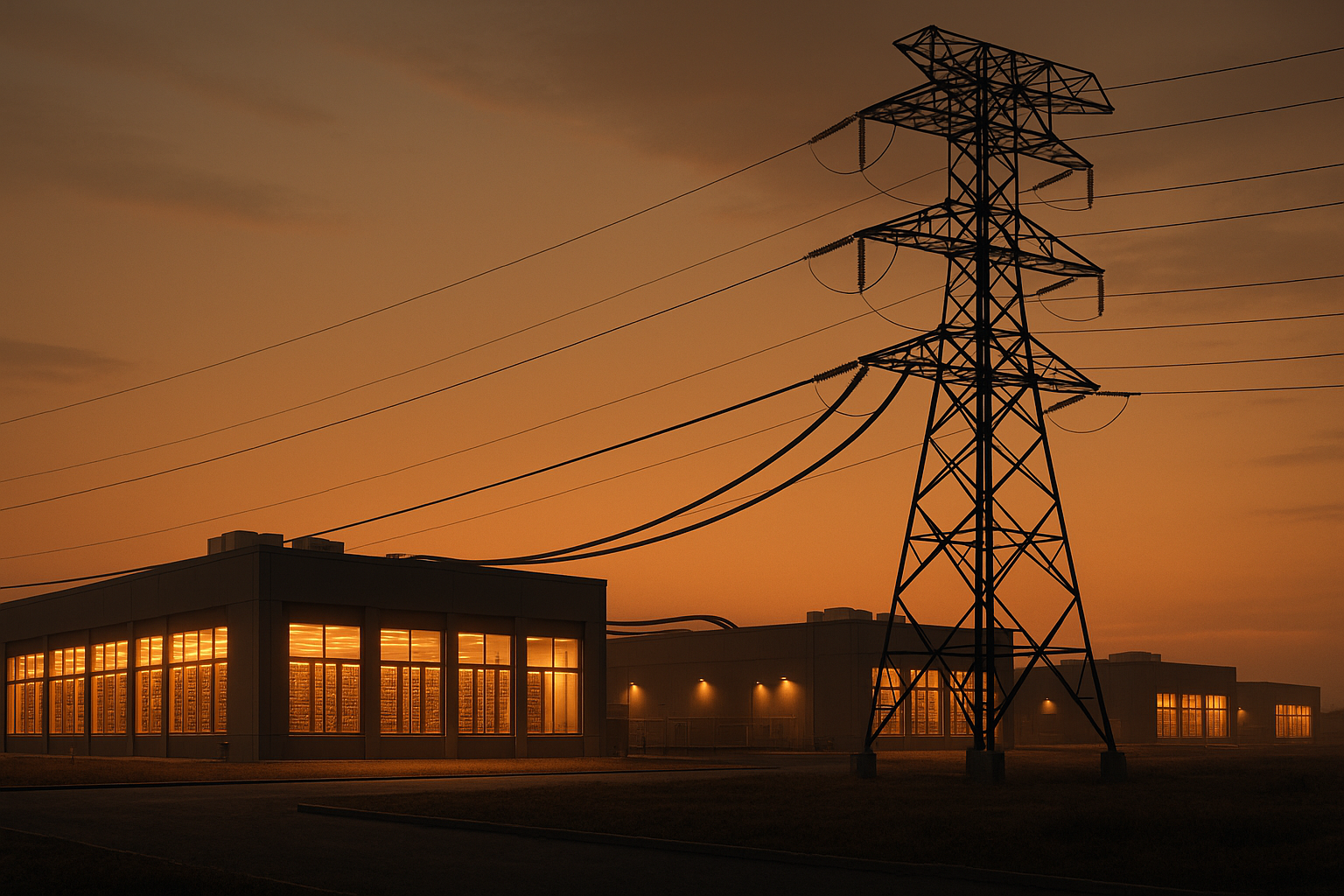
When my electric bill landed in my mailbox last month, I nearly choked on my morning coffee. An 18% jump year-over-year? That's not inflation—that's highway robbery. But it got me thinking about those massive digital warehouses humming away 24/7, gobbling electricity like teenagers raid refrigerators.
Data centers. They're the unsung heroes (or villains, depending on your perspective) of our digital existence, now consuming somewhere between 1-2% of global electricity. And that number? It's climbing faster than a cat up a curtain as AI workloads multiply.
Wall Street, never one to miss a trend, has been throwing money at anything with "data center" in its business description. The stock charts for companies like NBIS, IREN, CIFR, and APLD don't look like investments so much as fever dreams—jagged lines shooting skyward, then plummeting earthward with stomach-churning regularity.
Look, I've covered tech booms since the dot-com days, and there's something eerily familiar happening. Remember the old saying about gold rushes? The real money wasn't in finding gold—it was in selling picks, shovels, and overpriced blue jeans to desperate prospectors. Today's digital gold rush follows the same pattern, but with an electricity bill that would make Thomas Edison weep.
The Three-Layered Beast
I find it helpful to think about data centers as a three-layer cake (though considerably less delicious and much more expensive):
Layer one: Real estate. The actual buildings, power connections, and cooling infrastructure.
Layer two: Computing hardware. The servers, GPUs, and other blinking machines that do the actual work.
Layer three: Operational expertise. Because these digital beasts don't run themselves.
The companies that have all three layers? They've got something resembling a moat. The rest are basically selling commodities while pretending they're hawking unique treasures.
Take Northern Data (NBIS). I've watched them pivot so many times I'm surprised they haven't gotten dizzy. First crypto mining, now AI infrastructure... what next? Virtual pet grooming? When your business strategy changes with every passing tech headline, you're not being "agile"—you're flailing.
Meanwhile, Digital Realty and Equinix—those steady, boring REITs—have methodically built global empires of data centers generating predictable cash flows. Not sexy enough for your portfolio? Perhaps. But they'll likely still exist when the next presidential administration comes around.
The Elephant in the Server Room
Nobody wants to talk about the power problem. It's the awkward dinner guest at this AI feast.
Training OpenAI's GPT-4 reportedly consumed enough electricity to power a small town for a month. A month! And companies are promising AI capabilities that make GPT-4 look like a pocket calculator. The math doesn't add up—or rather, the electrical grid capacity doesn't.
I visited three data centers last year in different parts of the country. At each one, executives spoke in hushed tones about power acquisition strategies like they were discussing state secrets. Because that's what this business is increasingly about—who can secure massive amounts of affordable electricity in a world that's already straining to meet demand.
Iris Energy (IREN) markets itself as a "sustainable" Bitcoin miner turned AI infrastructure provider. Their investor presentations contain more green imagery than you'd find in a forest documentary. But having pored over their actual power contracts and expansion plans, I'm left with questions about how they'll scale while maintaining those eco-credentials. Physics and economics make uncomfortable bedfellows.
Finding Signal Amid the Noise
After tracking this sector for years (and losing some hair in the process), I've concluded that sustainable advantages boil down to three things:
First, power procurement. Companies with locked-in access to cheap power have a genuine edge. This isn't sexy, but it's real.
Second, cooling technology. When your business runs hotter than a jalapeño on a summer sidewalk, innovation in cooling can dramatically improve your bottom line.
Third, location advantages. Being near major internet backbones or in jurisdictions with favorable regulations isn't just nice—it's necessary.
Core Scientific (CORZ) has shown some actual discipline here. They emerged from bankruptcy (never a good look) but did so with restructured operations and secured power contracts. They didn't abandon their crypto roots entirely but diversified enough to weather the inevitable storms.
Applied Digital (APLD) deserves a closer look too. They've quietly secured power purchase agreements in North Dakota, where electricity costs make California utilities look like luxury goods. Less flash, more fundamentals.
The Long View
If you're playing the long game (and shouldn't we all be?), focus less on who's making the splashiest AI announcements and more on who has secured the boring stuff—power contracts, land, permits, and cooling technology.
The established players—Equinix, Digital Realty, even Iron Mountain—have the balance sheets to weather the inevitable consolidation that's coming. Because, trust me, it's coming. I've seen this movie before, and the sequel usually follows the same script.
For those who want AI exposure without the full roller-coaster experience, consider the "arms dealers" in this digital war—companies like Vertiv Holdings that provide the critical infrastructure equipment. They win regardless of which operator comes out on top.
This gold rush, like all before it, will produce spectacular winners and far more spectacular losers. The winners won't be those with the flashiest press releases or the most mentions of "AI" in their investor decks. They'll be the ones who understood that beneath all the technological marvel lies an infrastructure business that sells secure, reliable digital space and power.
Everything else? That's just marketing, folks. And I've been around long enough to know the difference.


