
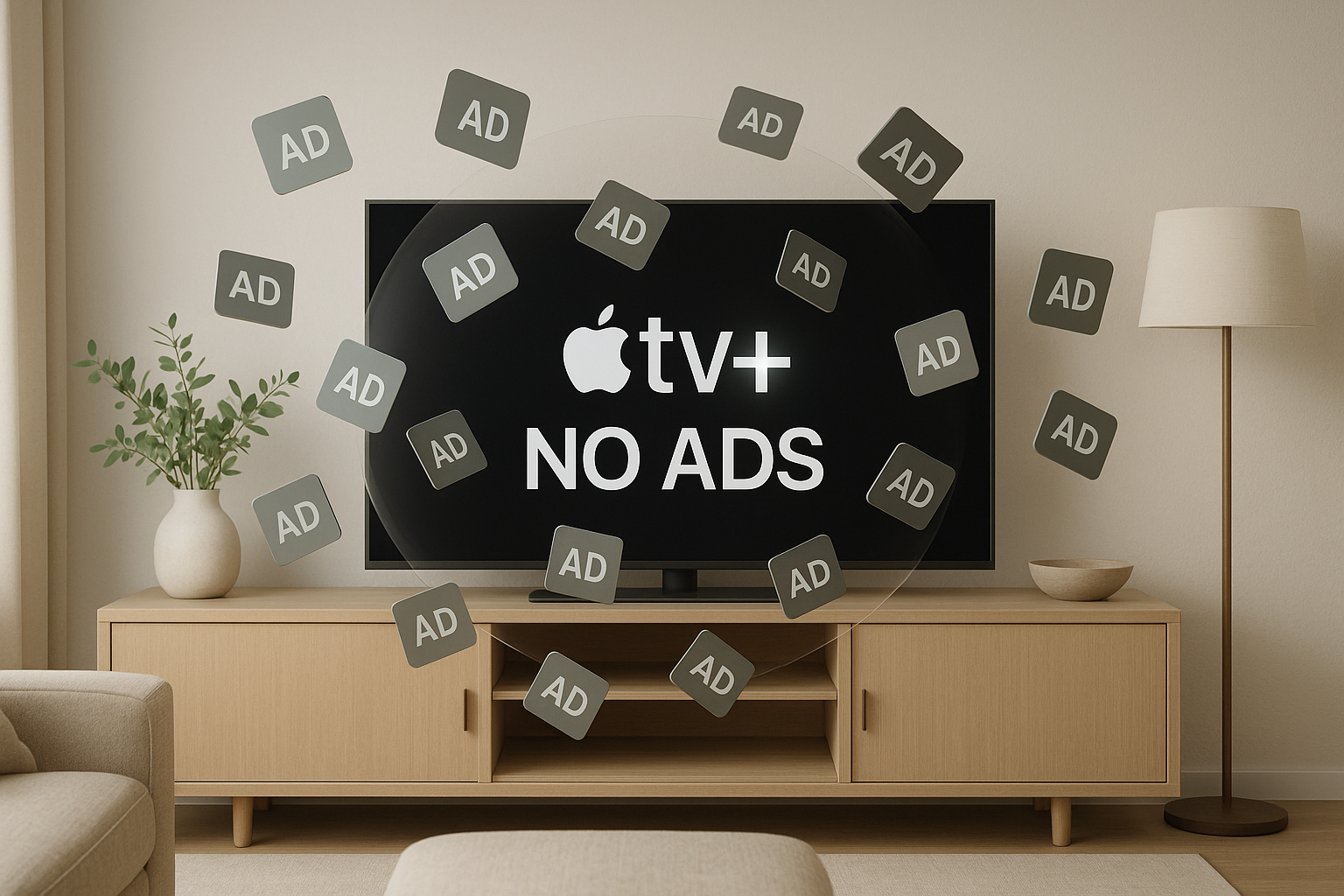
Apple has once again decided to zig while the rest of the industry zags.
Eddy Cue, the company's services chief, recently made what should be an utterly unremarkable statement that somehow feels revolutionary in today's media landscape: Apple TV+ won't be adding advertisements. His reasoning? "It's better for consumers not to get interrupted by ads."
Well, duh.
The fascinating part isn't Apple's stance — it's how utterly alone they stand in taking it. The streaming wars have morphed into something nobody quite predicted five years ago. Remember when "no ads" was the whole point of streaming services? I do. I was covering the Netflix earnings calls when executives swore up and down that advertisements would never sully their platform.
Funny how a few quarters of subscriber losses changes things.
Netflix, Disney+, and even the premium HBO Max (sorry, just "Max" now) have all fallen like dominoes, introducing cheaper ad-supported tiers with the enthusiasm of converted zealots. "Advertisements aren't so bad!" they proclaim. "Consumers want choices!" they insist.
What consumers actually want, in my experience, is to watch "Succession" without being pitched car insurance every twelve minutes.
Apple's resistance makes perfect business sense when you consider their broader strategy. Apple TV+ isn't just a streaming service — it's another thread in the elaborate tapestry that keeps you firmly planted in Apple's ecosystem. That $6.99 monthly subscription fee? It's practically a rounding error compared to the profits they make on hardware.
(For context, analysts estimate Apple enjoys profit margins around 45% on iPhones. That's the kind of cushion that lets you maintain principles about advertising.)
This streaming strategy mirrors Apple's approach to content acquisition. While Amazon and Netflix have been locked in a content arms race, scooping up studios and back catalogs like kids on a sugar-fueled Easter egg hunt, Apple has maintained its boutique approach — fewer shows, higher budgets, carefully curated offerings.
Think about it. What's more "Apple" than saying "we don't need a thousand shows, just the right ones"?
The market's reaction to all this has been... well, a collective shrug. After climbing about 20% over the past year, analysts now predict Apple shares might see a modest 5% downside. That's neither punishment nor reward — it's simply acknowledging that Apple's streaming strategy is just one small part of a massive business empire.
Look, we've seen this movie before. Apple has a long history of bucking industry trends and waiting for everyone else to follow suit. Remember the outrage when they ditched the headphone jack? The mockery when they launched the iPad? ("It's just a big iPhone!" critics sneered.)
I've covered Apple for nearly a decade, and the pattern is always the same: initial resistance, grudging acceptance, and finally, imitation by competitors.
The streaming landscape remains in flux. Netflix is awkwardly expanding into gaming. Disney keeps raising prices while adding more ad interruptions. Warner Bros. Discovery is... still trying to figure out what Warner Bros. Discovery is supposed to be.
Meanwhile, Apple continues being Apple — making decisions that prioritize user experience over immediate revenue opportunities. It's a luxury afforded to companies sitting on cash reserves larger than the GDP of Finland.
For investors, this approach to streaming isn't a major catalyst in either direction. It's simply one more expression of Apple's consistent strategy: build beautiful walled gardens where customers happily pay premium prices to avoid the annoyances of the outside world.
The stock remains what it has been for years — a cornerstone holding that's neither bargain-priced nor ridiculously overvalued.
In the end, Apple's true genius has always been turning products into ecosystems and customers into loyal subjects. By refusing to degrade their viewing experience with advertisements, they're simply protecting their kingdom.
Smart business? Stubborn idealism? Maybe a bit of both. But when your company is worth $3 trillion, you get to make your own rules.


